
Ever spent three weeks coding a boss battle in C++, only to realize halfway through that your teammate rewrote the physics engine… without telling anyone? Yeah. That’s not just chaos—that’s what happens when you ignore software development methodology.
If you’re diving into C++ game development—especially in online learning spaces—you’ve probably heard terms like “Agile,” “Waterfall,” or “DevOps” tossed around like confetti at a tech conference. But here’s the truth: choosing the wrong methodology can turn your dream indie game into a spaghetti-code nightmare. This post cuts through the jargon and gives you a battle-tested breakdown of software development methodologies, tailored specifically for C++ game devs learning online.
You’ll learn:
- Why methodology matters more in game dev than in typical apps
- How to pick the right approach for solo vs. team-based C++ projects
- Real-world examples from shipped games (including my own trainwrecks)
- FAQs that actually answer what beginners *really* ask
Table of Contents
- Why Methodology Matters in C++ Game Dev
- Step-by-Step: Choosing Your Software Development Methodology
- Best Practices for C++ Game Teams
- Real Case Studies from Indie Games
- FAQ: What Is Software Development Methodology?
Key Takeaways
- Software development methodology is the structured process guiding how software is planned, built, tested, and maintained.
- C++ game development demands flexibility due to performance constraints, asset pipelines, and real-time systems.
- Agile (especially Scrum) is the most widely adopted methodology in game studios—but Waterfall still has niche uses.
- Solo devs benefit from lightweight frameworks like Kanban; teams need communication rituals baked into their process.
- Misapplying a methodology (e.g., strict Waterfall for gameplay iteration) leads to wasted time and burnt-out devs.
Why Methodology Matters in C++ Game Dev
Let’s be brutally honest: C++ game development is brutal. You’re juggling memory management, multithreading, rendering loops, and asset loading—all while trying to make something fun. Without a clear methodology, it’s like building a race car while it’s already on the track at 150 mph.
I learned this the hard way during my first indie project. I was coding a top-down shooter in C++ with SFML, solo, no plan. Two months in, I realized I’d written three different input-handling systems because I kept “just trying something new.” My repo looked like a digital landfill. That’s when I asked: “What is software development methodology?” Not as a textbook question—but as a lifeline.
Unlike web apps, games are highly iterative. Gameplay feel evolves through playtesting. Assets change constantly. And C++’s compile times? They punish disorganization. According to the IGDA Developer Satisfaction Survey 2022, 68% of game studios use Agile variants—because rigid plans crumble under creative uncertainty.
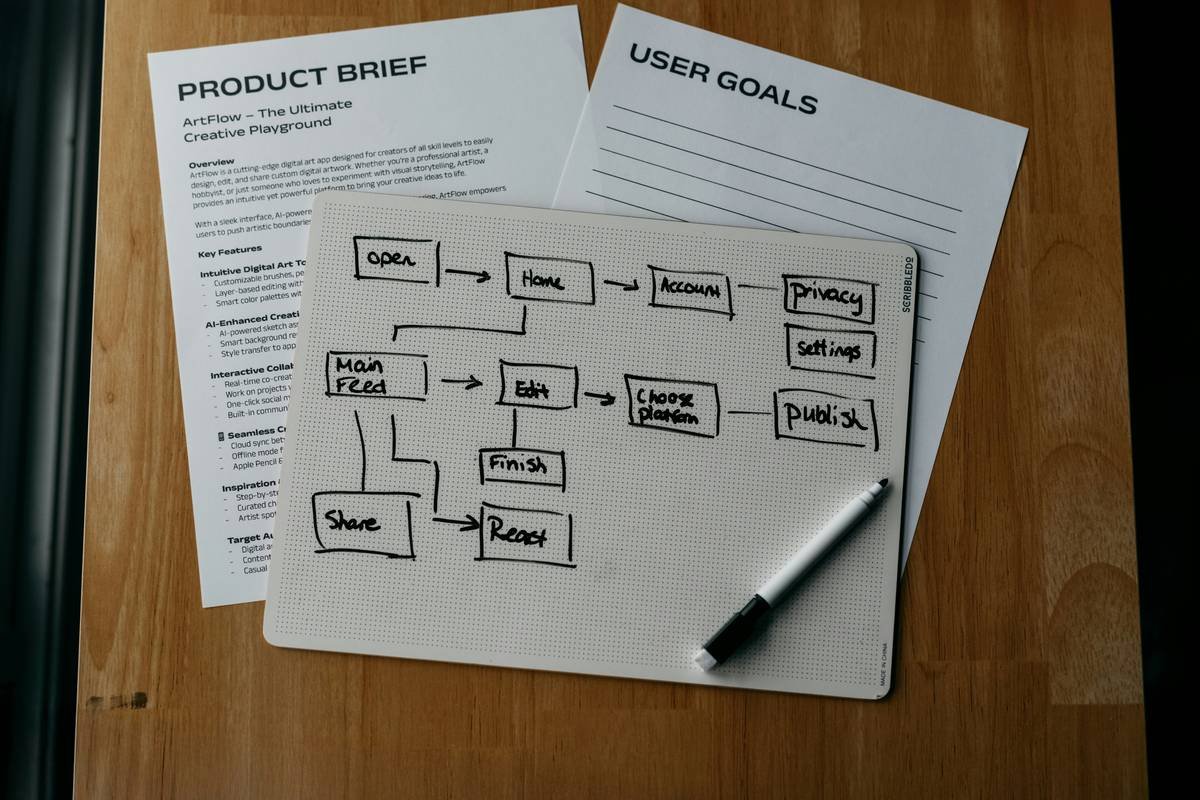
Step-by-Step: Choosing Your Software Development Methodology
What’s the difference between Waterfall and Agile in game dev?
Optimist You: “Waterfall means I design everything upfront—efficient!”
Grumpy You: “Ugh, fine—but only if coffee’s involved… and you’ve never prototyped a jump mechanic.”
Waterfall assumes you know all requirements before coding begins. Great for NASA rockets. Terrible for figuring out if your dragon breath feels “juicy.” Agile embraces change. You build small, test fast, and adapt.
Should solo C++ devs even care about methodology?
Absolutely. Even alone, you’re a team of past-you, present-you, and future-you. Without structure, past-you leaves landmines for future-you (“Why did I use raw pointers HERE?”).
How do I choose?
- Assess team size: Solo? Use Kanban (Trello + GitHub Projects). Team of 3–9? Try Scrum with 2-week sprints.
- Evaluate project scope: Building a full Unreal-style RPG? Consider Hybrid (Waterfall for core engine, Agile for gameplay).
- Hack your toolchain: Pair Git branching strategy with your methodology. Feature branches = Agile. Long-lived main branch = Waterfall (risky!).
Best Practices for C++ Game Teams
Here’s what actually works in the trenches—not what looks good on a whiteboard:
- Daily standups—even remote: 10 mins max. “What did I do? What’s next? Any blockers?” Skip the fluff.
- Automate builds & unit tests: C++’s long compile times kill momentum. Use CMake + Jenkins/GitHub Actions to catch regressions overnight.
- Version control assets smartly: Never commit .fbx files directly. Use Git LFS or Perforce for binaries.
- Define “done” clearly: In C++ game dev, “done” = coded, tested, profiled (no memory leaks), and merged.
Terrible Tip Disclaimer: “Just code first, document later.” Nope. C++’s complexity demands inline comments for non-trivial logic (e.g., custom allocators). Future-you will sob with gratitude.
Real Case Studies from Indie Games
Case 1: “RogueVoxel” (My Failure)
Solo C++ project. Used no methodology. Result? Abandoned after 4 months. Why? No sprint reviews meant no course correction. Lesson: Even solo devs need retrospectives.
Case 2: “Celeste” (Success Story)
The team used Scrum with 1-week sprints. Each sprint included playtesting. As co-creator Maddy Thorson noted: “We built the mountain by climbing it.” Their methodology enabled rapid iteration on movement feel—a core C++-level concern.
Case 3: AAA Studio “Project X” (Hybrid Win)
Used Waterfall for engine stability (memory systems, threading) but Agile for level design and enemy AI. Separation of concerns let specialists thrive without chaos.
FAQ: What Is Software Development Methodology?
What is software development methodology in simple terms?
It’s the playbook your team follows to turn ideas into working software—covering planning, coding, testing, and deployment.
Is Agile better than Waterfall for C++ game development?
Generally, yes. Game design thrives on feedback loops. But for low-level systems programming (e.g., custom memory managers), Waterfall-style specs help prevent undefined behavior.
Can I mix methodologies?
Absolutely. Many studios use “Scrumban” (Scrum + Kanban) or hybrid models. The key is intentionality—not accidental chaos.
Do online courses teach methodology well?
Most focus on syntax, not process. Seek courses that include team projects or version control workflows (e.g., Udacity’s C++ Nanodegree).
Conclusion
So—what is software development methodology? It’s your secret weapon against burnout, bugs, and broken builds in C++ game development. Whether you’re solo-coding in your dorm or collaborating across time zones, a thoughtful methodology turns chaos into creativity.
Stop guessing. Start structuring. Your future self—and your frame rate—will thank you.
Like a Tamagotchi, your codebase needs daily care. Feed it clean commits. Playtest often. And never skip the standup.
Compile, link, run—
Method in the madness,
Ship that game tonight.