
You’ve read a dozen “what is software development definition” posts—and still feel lost. Especially if you’re diving into C++ game development. The jargon’s thick. Tutorials skip logic for code snippets. And no one tells you why your first Unreal or custom engine project crashes on launch. Here’s the fix: a no-fluff, battle-tested breakdown built for coders who ship games—not just compile them.
The Core Problem: Why “Software Development” Means Nothing Without Context
Most definitions treat software development like baking a cake—just follow steps, get cake. Wrong. In C++ game dev, it’s more like forging a sword while riding a dragon. Memory leaks lurk. Threading bottlenecks explode at 60 FPS. And “agile” sprints mean nothing when your physics collider eats two weeks of progress.
Generic definitions ignore this chaos. They assume clean inputs and predictable outputs. Real game code? It’s spaghetti with purpose—optimized, profiled, and patched until it runs smooth.
What Is Software Development Definition Applied to C++ Game Projects
Forget theory. In practice, software development for C++ games means solving three layers simultaneously: architecture, performance, and iteration speed.
Step 1: Design With Constraints—Not Blueprints
You don’t “plan everything.” You lock core constraints early: target platform (PC/console/mobile), rendering API (DirectX/Vulkan), and memory budget. Then build modular systems that respect those walls. A renderer that assumes unlimited VRAM fails on consoles. Fast.
Step 2: Code Like Your Debugger Is Watching
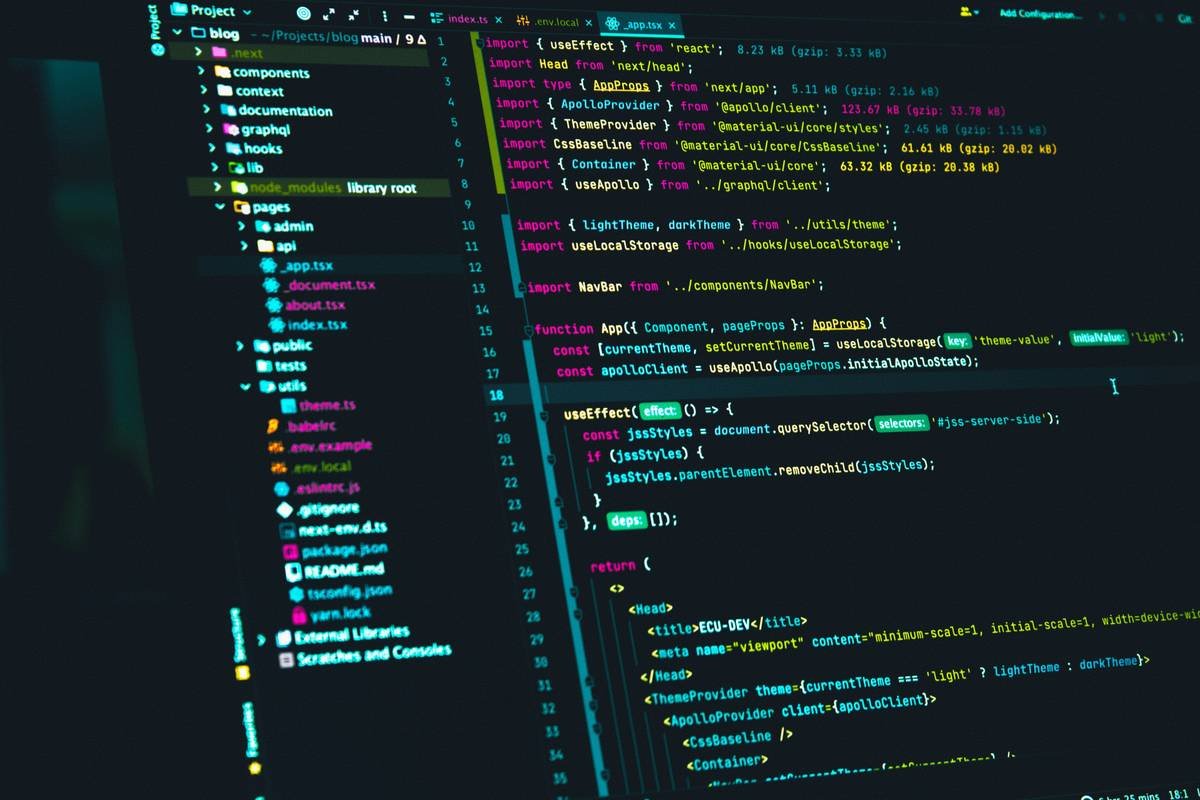
Every line must serve readability OR performance—ideally both. Use RAII religiously. Avoid raw new/delete like malware. And profile before you optimize. Most “slow” code isn’t the algorithm—it’s cache misses from scattered data.
Step 3: Iterate Through Failure, Not Meetings
Daily builds. Automated tests for asset pipelines. Hot-reload shaders. If you’re waiting 20 minutes to see if your particle system works—you’re doing it wrong. Speed beats perfection in early prototyping.
| Approach | Time to First Prototype | Risk of Technical Debt | C++ Game Suitability |
|---|---|---|---|
| Waterfall (full upfront design) | 6–12 weeks | High (rigid changes) | Poor |
| Agile + CI/CD pipeline | 3–7 days | Low (modular feedback) | Excellent |
| Solo hacking (no structure) | Hours | Critical (unmaintainable) | Only for tech demos |

The Industry Secret: Shipping > Perfection (and Everyone Lies About It)
Here’s what studios won’t admit: your first shipped C++ game will have jank. The AI glitches through walls. Save files corrupt on rare OS versions. And that “elegant” ECS architecture? You’ll bypass it with dirty global hacks to meet deadline.
But it ships. And shipped code teaches more than perfect whitepapers ever will. Valve’s early Half-Life 2 tools were duct-taped nightmares—but they enabled modding that defined a decade. Prioritize functional over flawless. Polish comes in version two.
FAQ
Q: Is C++ necessary for game development?
A: For AAA or performance-critical indie titles—yes. Mobile or web? Consider alternatives. But engines like Unreal and Godot expose C++ for core systems.
Q: What’s the difference between software development and programming?
A: Programming writes code. Software development solves user problems—from design and testing to deployment and updates. Code is just one tool.
Q: Can beginners start with C++ game dev?
A> Only if committed. Start with small console projects (Pong, Snake). Master pointers, memory management, and build systems before touching graphics APIs.