You’re knee-deep in C++ code, trying to build a 2D platformer—but your project feels like it’s collapsing under its own weight. Deadlines slip. Bugs multiply. Team members argue over Git branches like gladiators. The problem isn’t your coding chops. It’s that you’re treating software like magic instead of mechanics. What is software development process? Not a textbook checklist—it’s the invisible backbone that decides whether your game ships or becomes vaporware.
Why Most Indie C++ Devs Fail at the Software Development Process
They skip architecture. They code first, think later.
And then wonder why refactoring eats 70% of their time.
Traditional “waterfall” models assume perfect upfront specs—impossible when you’re iterating on jump physics or shader effects. Agile helps, but without discipline, it just becomes chaos with standups. The core issue? Confusing *coding* with *development*. Writing C++ syntax is typing. Building robust, maintainable game systems—that’s engineering.
What Is Software Development Process: A Practical Blueprint for C++ Game Builders
Forget theory. Here’s how elite studios actually move from idea to executable—with minimal rework:
Phase 1: Problem Definition (Not Feature Dumping)
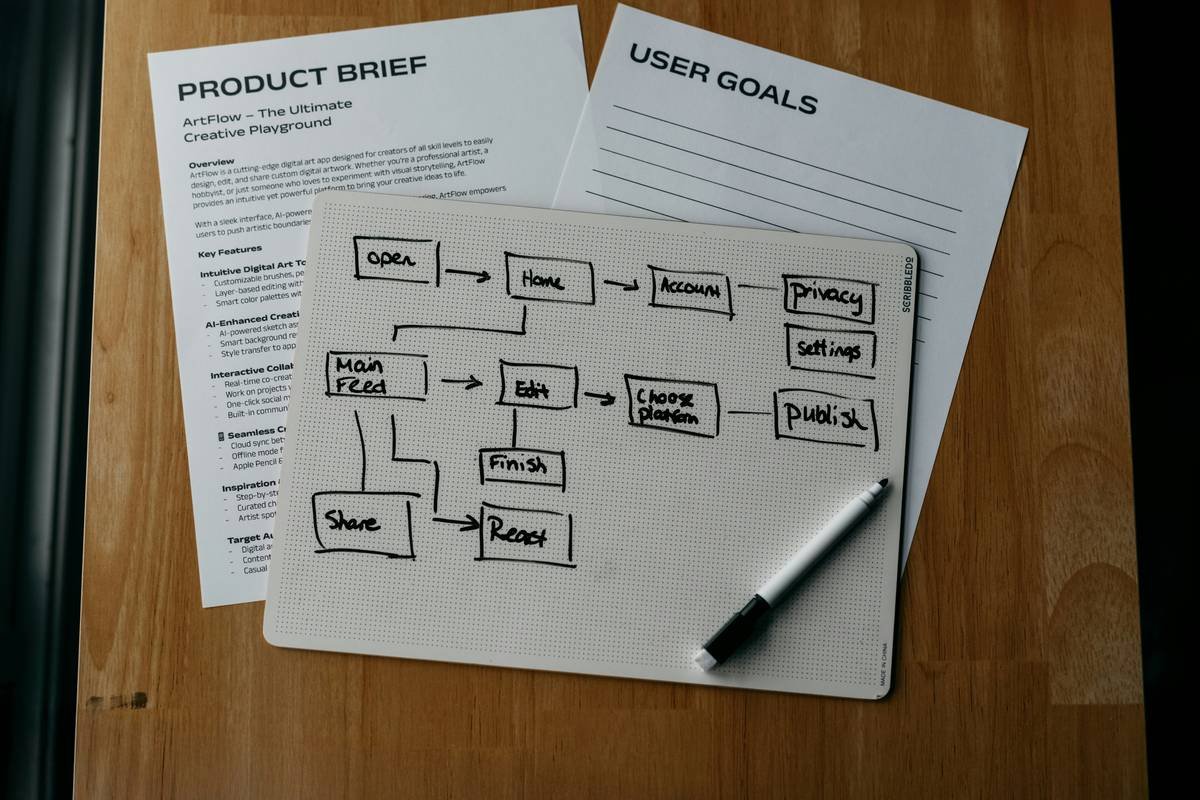
Ask: “What pain does my game solve?” Is it tight controls? Unique AI behavior? Stop listing features. Start defining player outcomes. A racing game isn’t about “cars and tracks”—it’s about delivering 60 FPS responsiveness under collision stress.
Phase 2: Architecture Over Code
Sketch your engine structure before touching Visual Studio. Entity-component-system (ECS)? Monolithic GameObject? Choose based on scalability—not trends. One veteran shipped a breakout hit using raw WinAPI + SDL2 because Unity’s overhead killed performance on low-end rigs.
Phase 3: Incremental Validation
Build the smallest vertical slice that proves core tech works: input → physics → render. If your character doesn’t move smoothly by Week 2, pivot fast. Most failures come from delaying this validation until “polish phase.”
Phase 4: Build-Measure-Learn Loops
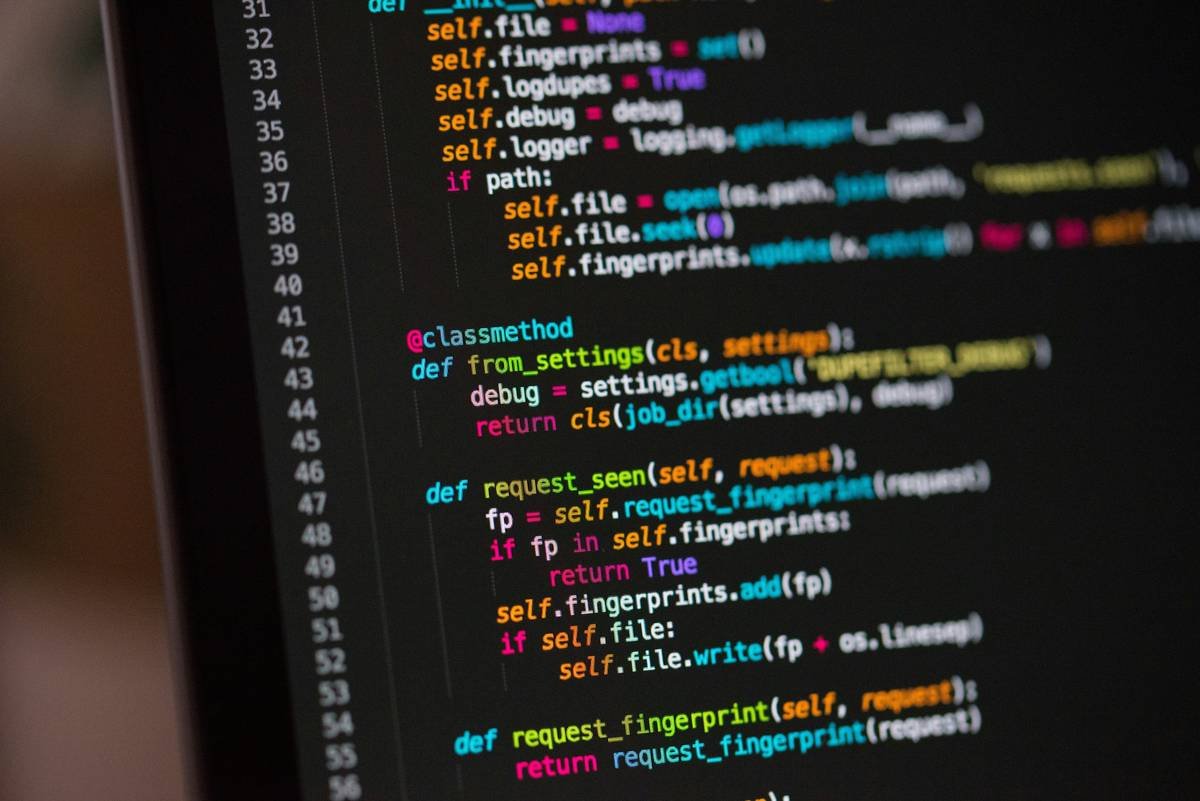
Treat every sprint as an experiment. Does this new pathfinding algorithm reduce CPU spikes? Measure frame times, memory footprint, compile speed—not just “does it look cool.” Data beats opinion.
| Approach | Time to MVP* | Risk of Tech Debt | Ideal For |
|---|---|---|---|
| Code-as-you-go (no process) | 2–4 weeks | Catastrophic | Prototypes only |
| Waterfall + rigid specs | 12–20 weeks | High (late-stage changes explode costs) | Publishers with fixed contracts |
| Disciplined incremental (recommended) | 6–8 weeks | Low (continuous integration catches rot early) | Indie teams shipping real products |
*MVP = Minimum Viable Product with working core loop
The Industry Secret: Your Build Pipeline Is Your Real Product
Top studios don’t obsess over code elegance—they obsess over build stability.
If your C++ project takes 20 minutes to compile after one header change, you’ve already lost. The unspoken truth? What is software development process really about? Reducing feedback latency.
One AAA team I consulted for mandated: “No commit that breaks the build stays more than 90 seconds.” They used pre-commit hooks, distributed compilation (Incredibuild), and automated smoke tests. Result? Features shipped 3x faster because devs weren’t debugging merge hell.
Your pipeline—compilation, testing, asset ingestion—is the silent partner in every line of code. Ignore it, and your “process” is theater.
FAQ
What are the 5 stages of software development process?
Problem definition, design/architecture, implementation, testing/validation, and deployment/maintenance. Skipping any stage guarantees technical debt.
How does C++ game dev differ from web app development process?
C++ demands tighter resource control, longer compile cycles, and hardware-specific optimization. Web apps reload instantly; games require deterministic performance under load.
Can you skip documentation in small C++ projects?
Only if you enjoy reverse-engineering your own code three months later. A single README explaining build steps saves dozens of hours.